
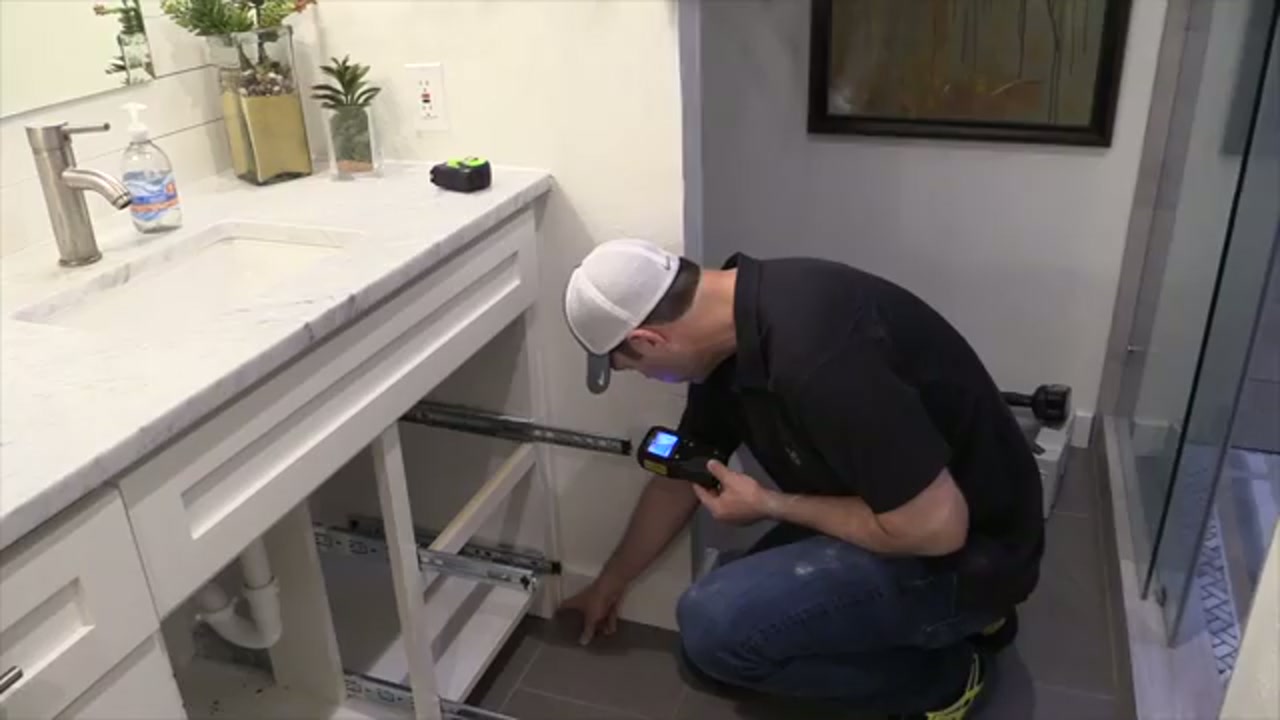
Many homes in Flower Mound are built slab-on-grade, which means the concrete foundation slab sits directly on the soil and the plumbing lines often run through or beneath it. A leak in one of those buried lines is called a slab leak, and you cannot see it directly. What you can see, hear, and feel are the signs it leaves behind.
No single sign proves a slab leak on its own. The picture gets clearer when two or three of these show up together. Work through the list below and note what applies to your home before deciding what to do.
Why are warm spots appearing on my floor?
A warm or hot patch on a tile, hardwood, or laminate floor is one of the most telling signs of a slab leak. It usually means a hot water line under the slab is leaking, warming the concrete and the flooring above it.
Walk barefoot across your floors, paying attention to rooms that share walls with the water heater. A spot that is noticeably warmer than the surrounding floor and never seems to cool down is worth investigating. An inexpensive infrared thermometer from a hardware store can confirm it: scan the floor in a grid and note any area reading several degrees higher than the rest.
Not every warm floor means a leak. Sun streaming through windows warms floors too. The pattern that points to a leak is one isolated hot spot that stays warm day and night, regardless of the weather.
Why do I hear running water when everything is off?
Turn off every faucet, appliance, and sprinkler zone in the house, then stand quietly in the bathroom or kitchen. If you hear water running, hissing, or a faint rushing sound through the floor or walls, a pressurized line may be leaking under the slab.
This sound is easiest to hear at night when the house is silent. A steady sound that does not fade when you listen for a minute or two deserves attention, because intact pipes are silent when no water is being used.
Why did my water bill jump suddenly?
A sharp increase in your water bill with no change in household habits often means water is going somewhere it should not. Slab leaks waste water around the clock, and the loss shows up on the meter before it shows up anywhere you can see. If the meter spins with everything off, the water is leaving your plumbing system somewhere hidden. Full steps are in our water meter check guide.
Are new cracks in my floor or walls a plumbing problem?
Small cracks appear in many North Texas homes because of the expansive clay soil that swells when wet and shrinks when dry. This soil movement alone can crack floors and walls. A slab leak adds another twist: water escaping under the slab changes the moisture level of the soil in one spot, causing uneven movement that cracks the concrete and stresses walls above.
Look for cracks that are new, growing, or accompanied by other signs on this list. Diagonal cracks above door and window frames or tile cracked in a line, paired with a warm floor or running-water sound, mean you should have the plumbing checked.
What does a musty or moldy smell mean in my house?
A leak under the slab keeps concrete and soil damp for weeks or months. That trapped moisture can feed mold growth in flooring materials, baseboards, and wall cavities, producing a musty or earthy smell that air fresheners cannot fix.
If one room smells musty and the odor is strongest near the floor, check for other signs before assuming it is just humidity. A persistent smell combined with any other sign here is a strong reason to bring in a leak detection specialist.
Why is my water pressure lower than it used to be?
A leak in a pressurized supply line lets water escape before it reaches your fixtures, which reduces the pressure at the tap. If several fixtures have weaker flow than they used to, and the change was gradual rather than sudden, a hidden leak is a possible cause. Rule out a clogged aerator first if only one fixture is affected.
Why does my water heater run all the time?
If your water heater cycles constantly or never seems to stop, it may be replacing hot water that is draining away through a leak in a hot water line. This sign pairs closely with warm spots on floors.
You will notice this most on a gas or electric bill that creeps up, or by listening near the water heater for frequent burner or element cycles when nobody is using hot water. On its own it could be a failing thermostat, but combined with warm floors or a high water bill, it strengthens the case for a hot water slab leak.
What should I do if I notice these signs?
Do not panic, but do not ignore them either. Here is a practical sequence:
- Check your water meter. With everything off, look at the meter's leak indicator. If it moves, water is escaping somewhere. Full steps are in our water meter check guide.
- Note the signs. Write down what you found and when each sign started. This record helps the specialist and helps with any insurance documentation later.
- Call a leak detection specialist. Accurate location comes first, before any plumber cuts concrete. A non-invasive leak detection visit pinpoints the leak so repairs are targeted.
When should I call right away versus scheduling a visit?
Call immediately if you hear a loud rush of water, see water coming up through flooring, or notice a sudden large spike in your bill. If the signs are mild, a warm spot with no bill change, for example, schedule a detection visit within the next few days. Slab leaks rarely fix themselves, and the damage from a slow leak adds up quietly.