
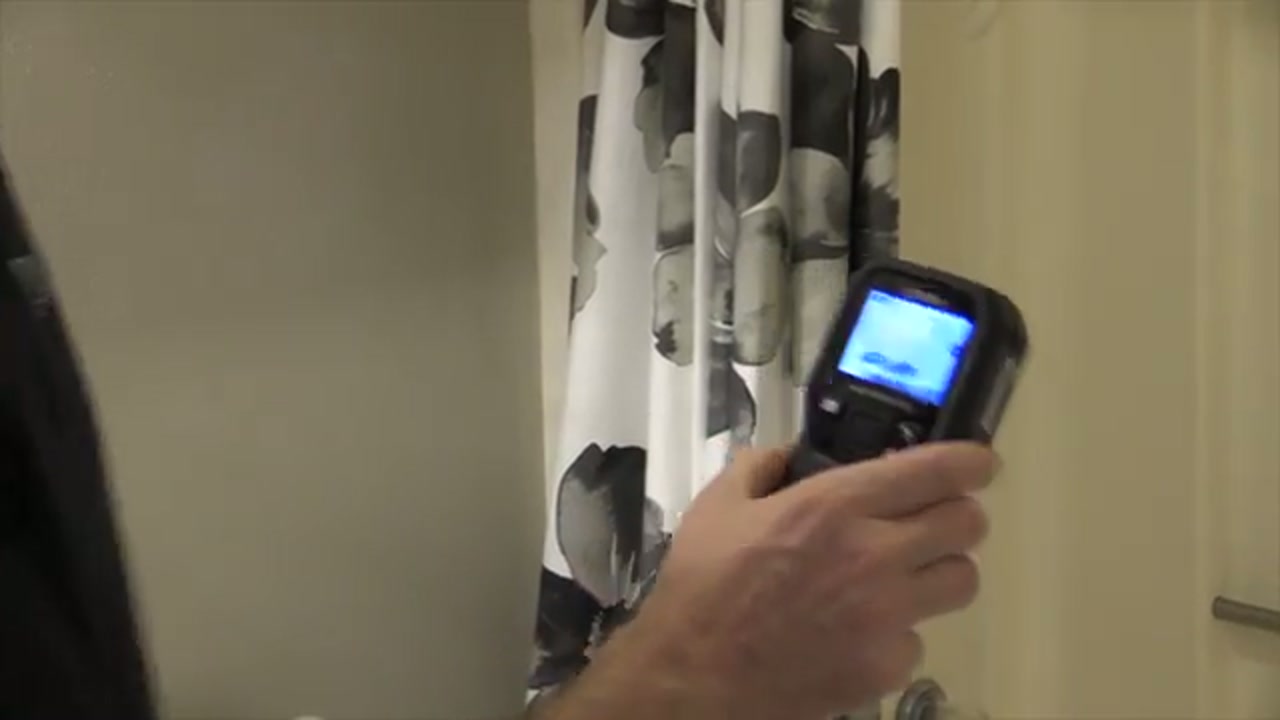
Every pool in Flower Mound loses water to evaporation. Hot summers, wind, and long sunny days pull inches off the surface every week. That is normal. What is not normal is a pool that needs the hose every couple of days, an autofill that never stops, or a water bill that climbs every summer no matter what you do.
The trouble is that evaporation and a leak look the same from the deck. Guessing wrong costs money either way: ignore a real leak and you pay for water plus hidden damage to the pool structure or the soil around it; chase a leak that is only evaporation and you pay for repairs you never needed. Our pool leak detection service separates the two with testing, not guesswork.
How Can You Tell a Pool Leak from Evaporation?
The bucket test is the standard homeowner check, and it works like this:
- Fill a bucket with pool water and set it on a pool step so the water level inside the bucket matches the pool's water level.
- Mark both levels. Run the pool equipment normally for 24 hours.
- Compare. If the pool level dropped more than the bucket level, the pool is losing water somewhere besides evaporation.
This test is a screening tool, not a diagnosis. It tells you a leak is likely, but not where it is. A pool can leak from the shell (cracks in plaster, tile, or fittings), the underground plumbing, or the equipment pad (pump, filter, heater, valves). Each one needs a different test, and that is where a professional visit earns its keep. Our guide to a pool losing water walks through the details.
How Do You Find Where a Pool Is Leaking?
We isolate the pool's three systems and test them one at a time.
The equipment pad comes first. Pumps, filters, heaters, chlorinators, and the web of valves and joints between them are the most common leak points and the easiest to inspect. We pressurize and visually check every joint, seal, and connection while the system runs. Many pool "leaks" turn out to be a dripping pump seal or a cracked valve, fixed in minutes once found.
The plumbing comes second. Underground return lines, skimmer lines, and main drain lines get pressure-tested individually. A line that will not hold pressure has a break, and acoustic listening along the deck can narrow the break's location before any concrete is opened.
The shell comes third. We inspect plaster, tile lines, light niches, skimmer throats, and fittings for cracks and failed seals. Dye testing around suspicious spots confirms whether water is actively pulling through.
Each test either clears a system or points at it. By the end of the visit you know which of the three is losing water and where, documented in a written report with photos.
What Pool Leak Problems Are Common Around Flower Mound?
A few patterns show up again and again in this area:
- Expansive clay soil movement. The same soil that stresses house foundations shifts around pool shells and buried pool plumbing. Seasonal swelling and shrinking can crack rigid pipe and open gaps at the skimmer throat or around fittings.
- Aging equipment pads. Many Flower Mound pools are old enough to be on their second or third pump, and older valves and plumbing unions corrode or crack with age and sun exposure.
- Freeze damage. Hard freezes hit pool plumbing hard, especially above-ground equipment and lines that were not properly winterized. The February 2021 freeze damaged pool equipment across North Texas, and some of that damage shows up as slow leaks years later.
- High evaporation masking slow leaks. Because normal summer evaporation is so high here, a slow plumbing leak can hide inside the noise for a whole season. The bucket test is the way to cut through that.
What Happens After We Find the Pool Leak?
You receive written findings naming the leaking component, its location, and photos of the evidence. If it is an equipment pad issue, the fix is usually a part replacement your pool service can handle the same week. If it is underground plumbing or a shell crack, the report gives your pool contractor a precise starting point instead of an exploratory dig through your deck. And if the testing shows no leak at all, you get that in writing too, which is worth knowing before you spend money on repairs.
Pool losing water faster than the Texas sun can explain? Call (972) 945-2293. We serve Flower Mound, TX 75022 & 75028 and the surrounding cities.