
Roanoke wears two hats. Along the highway corridors it is a dining and retail destination, with restaurants, shops, and offices that run long hours. A few minutes away, new residential neighborhoods keep filling in as the growth corridor pushes outward. Leak detection here has to serve both worlds, because a slab leak in a new home and a failing water heater in a restaurant kitchen are different jobs with different stakes.
We built our Roanoke service around that split. Residential work gets the same careful acoustic and thermal locating we do everywhere. Commercial work gets scheduling built around business hours, documentation written for managers and owners, and locating precise enough to avoid disrupting operations.
What leaks do Roanoke restaurants and shops face?
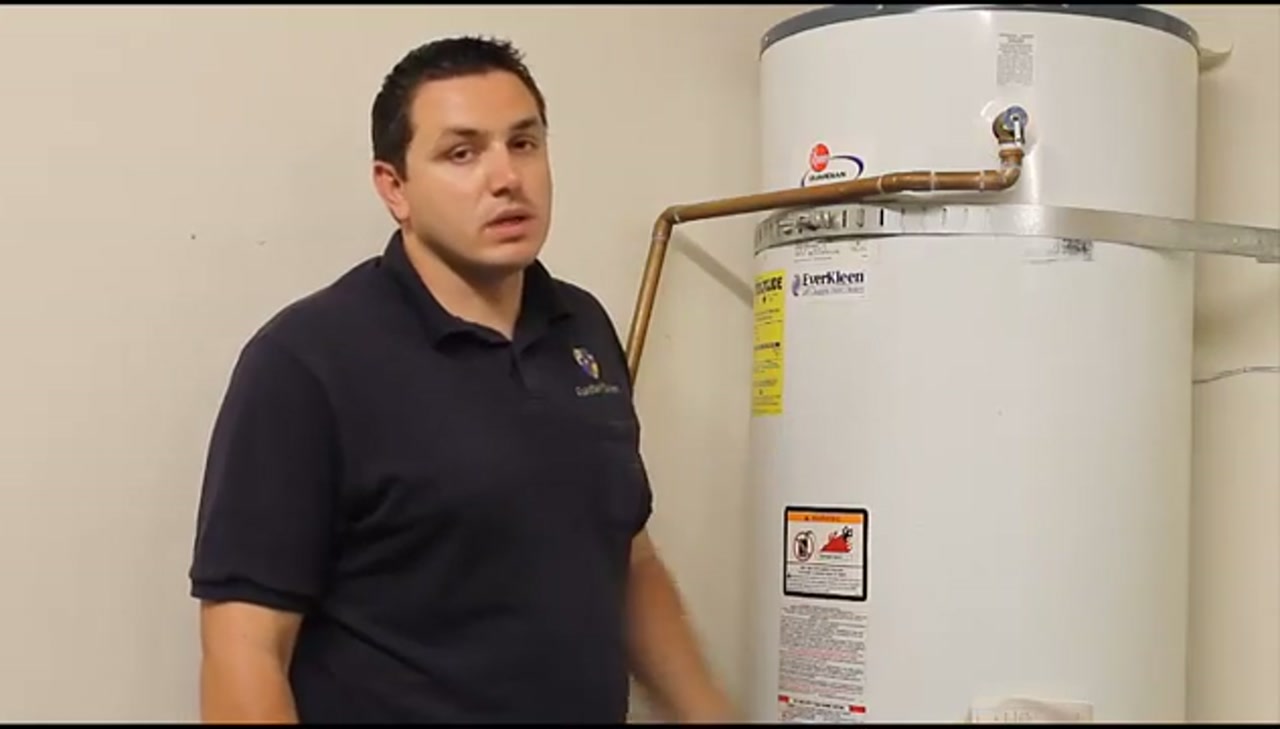
Commercial plumbing works harder than residential. Water heaters cycle constantly, restroom fixtures see hundreds of uses a day, and kitchen lines run hot water nearly nonstop. The failure points follow the workload: water heater connections and relief lines, restroom supply lines inside walls, and slab lines under dining areas and kitchens.
The symptoms show up as utility bills that creep upward, warm spots on dining room floors, restrooms with persistent musty smells, or water appearing near equipment with no clear source. Because businesses cannot tear into walls on a guess during service hours, precise locating matters more here than anywhere. Our commercial leak detection is designed around off-hours and early-morning scheduling, so testing happens when the dining room is empty.
Why does commercial detection need a different approach?
Disruption is the difference. A homeowner can live around a marked floor area for a day. A restaurant cannot lose a dining section during dinner service. So we schedule testing when the business is closed or quiet, work from access points that do not disturb customers, and mark findings discreetly.
Documentation is the other difference. Commercial jobs usually involve more than one decision-maker: a manager, an owner, sometimes a landlord or property management company. Our written findings give all of them the same facts: what was tested, what failed, where it sits, and what we recommend. That report moves straight into maintenance planning without a second diagnostic visit.
New construction still gets leaks
Roanoke's residential growth means many homes are only a few years old, and new does not mean leak-proof. Installation defects show up early: nicked lines, incompletely seated fittings, and slab penetrations stressed by settling fill soil. If your newer home has a climbing bill, a warm floor patch, or the sound of water with fixtures off, test it rather than assuming youth equals health.
Our slab leak detection traces the line and marks the break for your builder or plumber, and the written report supports any warranty conversation. For the run from the meter to the house, water line leak detection segments and traces the line without trenching new landscaping to look.
Growth-corridor plumbing realities
Fast-growing corridors share a trait: infrastructure of mixed ages. New subdivisions tie into mains of varying vintage, and commercial strips expand in phases. Our testing starts from the building's age and system layout, not from assumptions.
Based nearby, working around your schedule
We operate out of Flower Mound, close to Roanoke, and we answer 24/7. For businesses, that means we can schedule overnight or pre-opening visits. For homeowners, it means a real response when something looks wrong on a weekend. Every job ends with written findings and an upfront quote before any repair discussion.
We also serve Trophy Club and Southlake, along with the surrounding corridor communities.